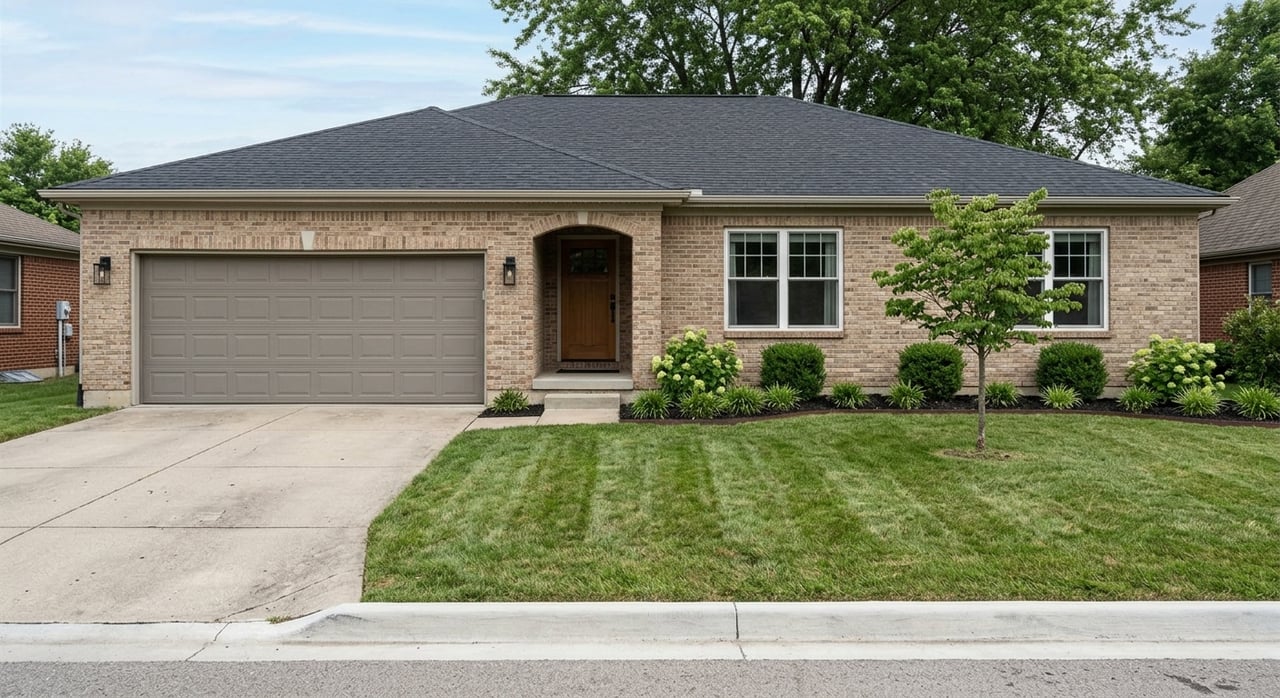
Thinking about buying your first rental in Oklahoma City? You are not alone. For many first-time investors, the biggest challenge is knowing whether a property will truly work as a rental and not just look good on paper. The good news is that OKC offers a mix of price points, rental demand, and property types that can make a first purchase feel more approachable. In this guide, you will learn how to evaluate the market, compare areas, choose a practical property type, and understand a few key Oklahoma landlord rules before you buy. Let’s dive in.
Why Oklahoma City Gets Attention
Oklahoma City is a large market with a broad renter base. The U.S. Census Bureau estimates the city had 712,919 residents as of July 1, 2024, and reports a 58.6% owner-occupied housing unit rate along with a median gross rent of $1,130 for 2020 to 2024. That combination matters because it points to a city with both homeowners and a meaningful pool of renters.
Current housing and rental data also suggest a market that is active without looking overheated. Zillow reports a typical home value of $206,713, a median sale price of $213,333, and 38 median days to pending on its Oklahoma City housing market page. On the rental side, Zillow Rental Manager lists average rent at $1,350, 1,627 available rentals, and describes the market as warm on its Oklahoma City rental trends page.
For a first-time investor, that is a useful starting point. It suggests you may still find properties at price points that feel accessible compared with many larger metros, while also seeing real rental activity across different parts of the city.
What the Price-to-Rent Math Tells You
One of the simplest ways to screen a rental is the price-to-rent ratio. In plain terms, you compare a home’s purchase price to the annual rent it could bring in. Using Zillow’s city snapshot figures, Oklahoma City lands around 12.8x to 13.4x annual rent, depending on which rent figure you use.
That points to a gross rental yield of roughly 7.5% to 7.8% before expenses. If you use the more conservative Census median rent instead, the ratio is closer to 17.1x, with a gross yield around 5.9%. The takeaway is simple: OKC can be a moderate-yield market, but your results will depend heavily on your purchase price, repair budget, financing, taxes, insurance, and vacancy assumptions.
This is why first-time investors should avoid buying based only on citywide averages. A good deal in Oklahoma City is usually found by matching the right property to the right area and running the numbers carefully.
Where Rental Activity Looks Strong
If you are trying to narrow your search, current rental listings can help show where renter activity is visible right now. Based on Zillow neighborhood rental pages, several Oklahoma City areas show notable inventory.
Deep Deuce and Bricktown
Downtown-adjacent areas like Deep Deuce and Bricktown appear to have strong apartment and condo activity. Zillow shows 54 rentals in Deep Deuce and 15 rentals in Bricktown, with examples that include studios, one-bedroom units, and some higher-priced townhome or condo options. You can review current listings for Deep Deuce rentals and Bricktown rentals.
For a first rental, these areas may appeal if you are considering a smaller unit, condo, or townhome-style property. They also show how product type matters. Downtown-adjacent neighborhoods often behave differently from single-family house markets.
Asian District and Classen Ten Penn
The Asian District rental page shows 69 rentals, while Classen Ten Penn rentals show 42 rentals. Current examples range from smaller, lower-rent units to higher-rent options, and listings include both apartments and some houses.
That range can be useful for first-time investors because it shows a broader spread of rental product and pricing. It also hints that block-by-block differences may matter more in these areas, especially if you are comparing older homes with smaller multifamily-style options.
Mesta Park and The Village
Mesta Park rentals show a smaller current inventory of 9 rentals, while The Village rental homes show 53 rentals with many listings clustered roughly between $1,100 and $1,900. Based on current listings, The Village appears to lean more toward single-family rental houses, while Mesta Park includes a smaller mix of units and homes.
If you want your first investment to feel more familiar, a single-family home in an area with visible house-rental activity may be easier to underwrite than a downtown condo or older infill property. On the other hand, central neighborhoods may offer different rent and price combinations that could work if you are prepared for more detailed due diligence.
Choose the Right First Property Type
Not every first rental should be a single-family house, and not every investor should start with a condo. In Oklahoma City, the better move is to let the neighborhood and rental demand guide the property type.
Single-family homes
Single-family rentals show up strongly in places like The Village. If you prefer a property that looks and functions more like a typical owner-occupied home, this can be an easier first step. The layout, maintenance expectations, and resale path may feel more straightforward.
Condos, townhomes, and smaller units
In central neighborhoods such as Deep Deuce, Bricktown, Asian District, and parts of Classen Ten Penn and Mesta Park, smaller rental product appears more common. These properties may offer a lower purchase price or stronger fit for the surrounding rental market. Still, you want to review fees, condition, and rental restrictions closely before making an offer.
Older infill homes
Some older homes in central OKC may attract renters well, but they can require more attention. The research suggests many of these areas have older housing stock and wider rent variation from one block to another. For a first rental, that means inspections, repair estimates, and realistic maintenance planning are especially important.
Run the Numbers Beyond Rent
A first-time investor can get into trouble by focusing only on the monthly rent. Gross yield is helpful, but it is not your net return.
Before you buy, make sure you estimate:
- Mortgage payment
- Property taxes
- Insurance
- Repairs and maintenance
- Vacancy
- Leasing and turnover costs
- Any condo or association fees, if applicable
In a market like Oklahoma City, a property that looks strong using headline rent can feel very different after expenses. This is especially true if the home needs updates or if the area has a wide spread of rents.
Know a Few Oklahoma Landlord Rules
Before you buy your first rental, it helps to understand a few basics from Oklahoma law. These rules can affect how you structure leases, handle deposits, and manage the property.
Notice periods matter
Under Oklahoma law, month-to-month or tenancy-at-will arrangements require 30 days' written notice. For tenancies shorter than month-to-month, the notice period is 7 days. A fixed-term lease generally expires on its end date without notice unless the lease says otherwise. You can review these rules in Title 41 of the Oklahoma Statutes.
Security deposits have clear rules
Oklahoma requires security deposits to be held in an Oklahoma escrow account at a federally insured institution. If part of the deposit is withheld for rent or damages, those charges must be itemized in writing, and the balance must be returned within 45 days after tenancy ends, possession is delivered, and the tenant makes a written demand. Those details are also outlined in Title 41.
Entry is allowed, but notice applies
Landlords may generally enter for inspections, repairs, services, or showings. Except in emergencies, Oklahoma law says landlords should give at least one day's notice and enter at reasonable times. The law also prohibits abuse of the right of entry.
Rent control is not allowed for most private rentals
Oklahoma law prohibits municipal rent control for privately owned single-family and multi-unit residential property, with limited exceptions. You can review that rule in Title 11 of the Oklahoma Statutes. For investors, that is part of the broader legal backdrop to understand before buying.
A Smart First-Rental Strategy for OKC
If you are buying your first rental in the Oklahoma City area, a smart strategy is usually simple. Start with a property type you understand, in an area with visible rental activity, at a price where the numbers still work after expenses.
That might mean a single-family home in The Village. It might mean a smaller unit in a central neighborhood where current rental demand is easy to verify. What matters most is that you choose a property you can maintain, lease, and hold with confidence.
You do not need the flashiest investment to get started. You need a property that fits your budget, your risk tolerance, and the actual rental patterns in the part of OKC where you plan to buy.
If you want help evaluating neighborhoods, comparing property types, or narrowing down first-rental options in the Oklahoma City area, The Ambassador Group Real Estate offers local guidance with the kind of responsive, high-touch service that can make your first investment feel a lot more manageable.
FAQs
What is a good price-to-rent ratio for a first rental in Oklahoma City?
- A reasonable citywide screen is in the low-to-mid teens on annual rent, but you still need to factor in repairs, taxes, insurance, vacancy, and financing before deciding a property works.
Which Oklahoma City areas show current rental activity for first-time investors?
- Based on current Zillow rental pages, Deep Deuce, Bricktown, Asian District, Classen Ten Penn, Mesta Park, and The Village all show visible rental inventory.
What property type works best for a first rental in Oklahoma City?
- It depends on the area. The Village appears to show more single-family rental houses, while central neighborhoods like Deep Deuce and Bricktown show more apartments, condos, and townhomes.
What notice rules should a new Oklahoma landlord know before buying?
- Oklahoma law requires 30 days' written notice for month-to-month tenancies and 7 days for tenancies shorter than month-to-month, with separate nonpayment notice periods depending on tenancy length.
How long does a landlord have to return a security deposit in Oklahoma?
- Under Oklahoma law, the balance of the deposit must be returned within 45 days after tenancy ends, possession is delivered, and the tenant makes written demand.
Can Oklahoma City cap rent on a private rental property?
- No. Oklahoma law prohibits municipal rent control for privately owned single-family and multi-unit residential rental property, with limited exceptions.