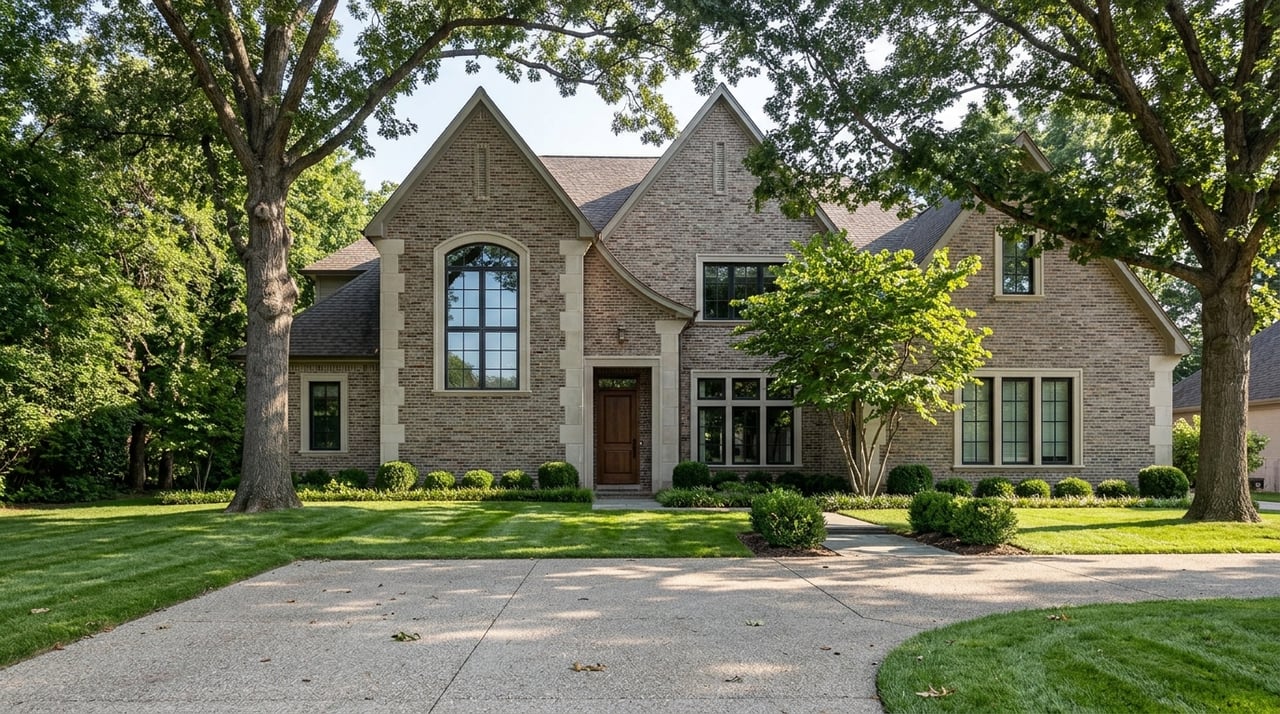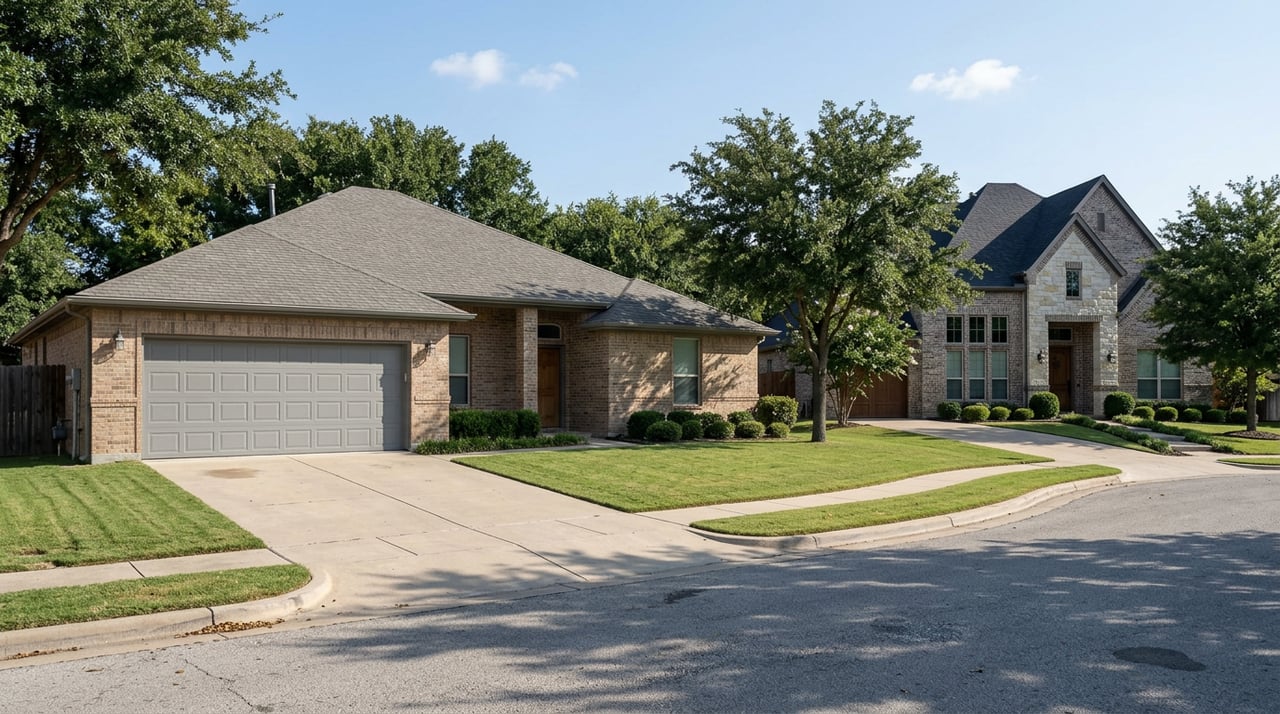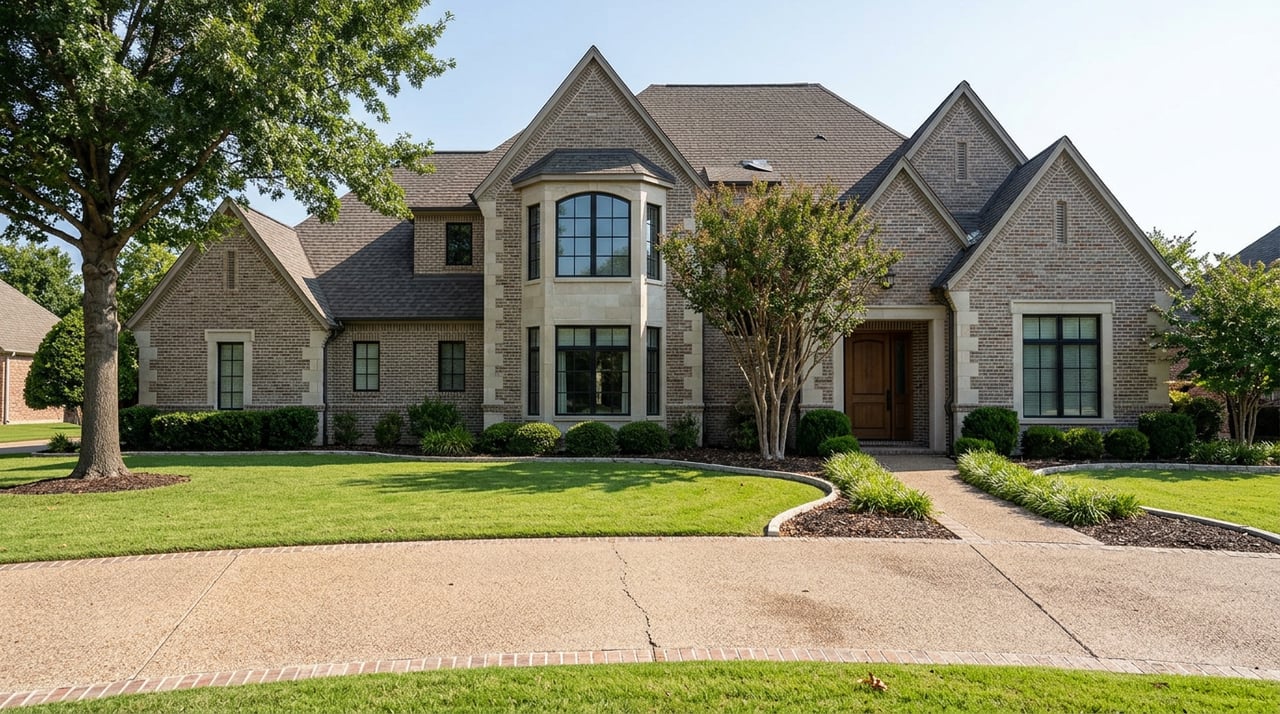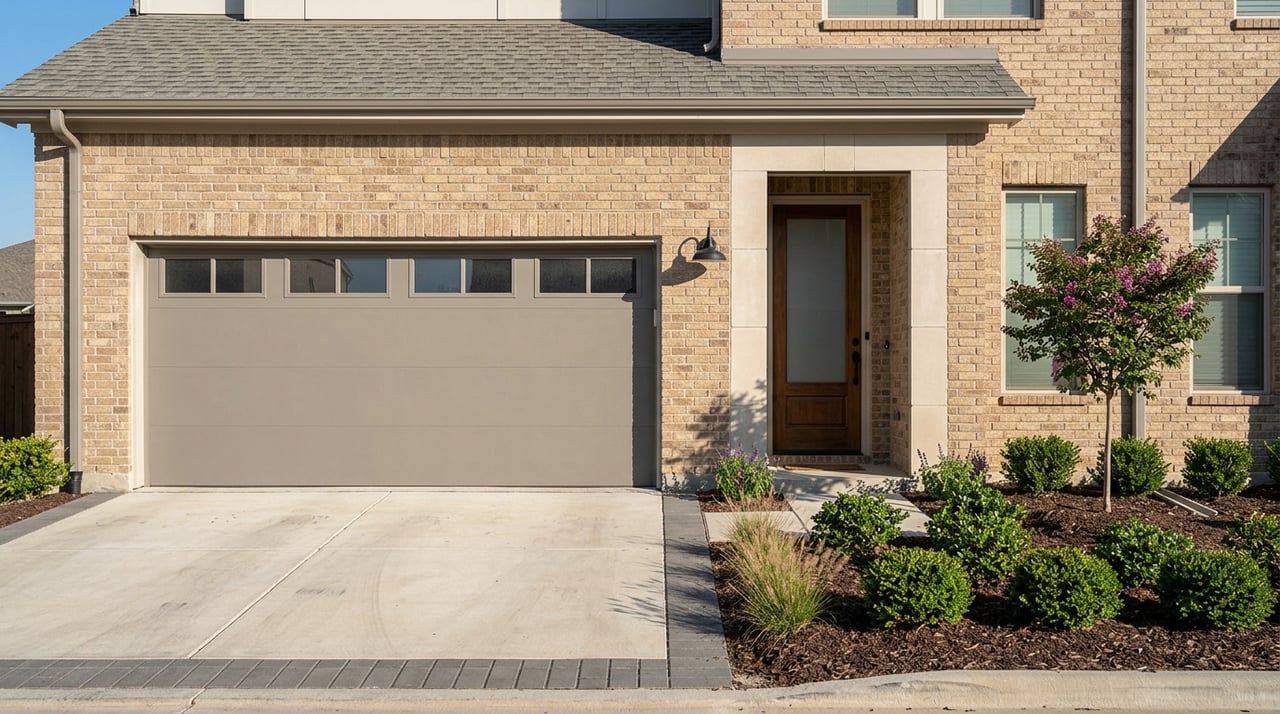
Trying to choose between a townhome and a house in Oklahoma City? That decision can feel simple at first, until you start comparing upkeep, HOA rules, insurance, taxes, and where each option tends to show up around the city. If you want a home that fits your budget, lifestyle, and long-term plans, it helps to understand how these property types work in OKC. Let’s break it down.
How OKC shapes your options
In Oklahoma City, this choice is not just about square footage or curb appeal. It is also shaped by how the city plans land use and housing types.
OKC’s planning framework separates lower-intensity areas, which often favor detached houses, from urban-core areas that support attached and clustered housing. Downtown is treated as the city’s most intense development area, while Urban Medium and Urban Low areas help explain where rowhouses, duplexes, townhome-style homes, and single homes are more likely to fit.
What a townhome usually means in OKC
In Oklahoma City, a townhome is usually an attached home with a smaller footprint than a detached house. City planning materials for Urban Medium and Downtown areas reference attached rowhomes, cluster housing, and townhome-scale infill.
That often makes townhomes a practical option if you want a more urban setting and less exterior space to manage. In parts of the urban core, townhomes fit naturally into the city’s push for residential density, connectivity, and mixed housing types.
Where townhomes tend to show up
Attached housing is most common in or near the urban core. City planning materials identify downtown housing types that include townhomes, multi-homes, lofts, apartments, and some single-home pockets.
Examples often discussed in the broader downtown housing conversation include Downtown, Bricktown, Deep Deuce, Midtown, Automobile Alley, and the Cottage District. These areas are not identical, but they help show where attached housing tends to be a more natural fit in OKC.
What a house usually means in OKC
A single-family house usually means a detached home on its own lot. In OKC, detached homes are still the most traditional and common local housing form.
City materials for Urban Low areas include R-1 residential single-home districts with minimum 6,000-square-foot lots. A city consolidated-plan table also cited 1-unit detached structures as 67% of the housing stock in that plan’s data set, which reinforces how common detached homes remain.
Where detached houses tend to show up
Detached homes become more common as you move toward lower-intensity zoning and more conventional neighborhood patterns. Urban Low areas are the clearest example, though Urban Medium areas can include detached homes too.
That does not mean houses only exist in suburban-style areas. Detached-home infill also exists inside the city, including newer single-family construction in areas like Capitol Hill.
Condo-style ownership is a separate issue
One important point is that a home’s look and its ownership structure are not always the same thing. A property may look like a townhome, but the ownership rules may function more like a condo.
Under Oklahoma’s condominium statute, unit owners hold an undivided interest in the common elements, and shared expenses can include maintenance, repair, and replacement. Common-element maintenance is handled as provided in the bylaws, which means the documents matter just as much as the floor plan.
Why condo-style ownership matters
If you are considering an attached property, do not assume the day-to-day responsibilities are obvious from the exterior. A condo-style setup can shift more maintenance into the association structure, while also adding shared rules, shared costs, and the possibility of assessments.
That can be a great fit for some buyers, especially if you want a more lock-and-leave lifestyle. But it also means you need to review the declaration, bylaws, budget, and reserve funding carefully before you commit.
Compare upkeep and control
For many buyers, the real question is how much maintenance you want to handle yourself. This is often where the choice between a townhome and a house becomes clearer.
A detached house usually gives you more direct control over the property, yard, and exterior, but it often means more hands-on responsibility too. An attached home or condo-style property may reduce some exterior upkeep, but that convenience usually comes with association rules and shared decision-making.
A townhome may fit better if you want less exterior work
If you prefer a smaller footprint and do not want as much yard or exterior maintenance, a townhome may feel like the easier option. That tradeoff can make sense if your schedule is busy or you simply want a lower-maintenance setup.
In exchange, you may have less autonomy over certain exterior decisions. HOA or condo documents often play a major role in how maintenance, expenses, and property use are handled.
A house may fit better if you want more independence
If yard space, privacy, and control matter most to you, a detached house may be the stronger choice. You are more likely to have the traditional lot-and-yard setup many buyers still prefer.
The tradeoff is that more of the maintenance burden usually falls on you. Repairs, exterior upkeep, and landscape care are often more direct owner responsibilities in a detached-home setup.
Do not overlook monthly costs
Purchase price is only one part of the decision. In OKC, monthly carrying costs can look very different depending on the property type and location.
That matters even more in a market where affordability is a real concern. OKC’s 2021 Housing Affordability Study found that 42% of renter households and 19% of owner households were housing cost-burdened, so it is smart to evaluate the full monthly picture before you buy.
HOA and shared expenses
For condo-style properties, Oklahoma law ties common expenses and common-element maintenance to the governing documents. Unpaid common expenses can even become a lien against the unit.
That is why buyers should look closely at what the HOA or condo association covers, how healthy the budget is, whether reserves appear adequate, and whether there is a history of special assessments. A lower-maintenance lifestyle can be appealing, but you want to understand exactly what you are paying for.
Insurance can differ by property type
Insurance is another area where buyers should slow down and ask questions. The Oklahoma Insurance Department lists separate homeowners and condominium policy forms in Oklahoma.
In practice, that means two homes that look somewhat similar from the street may require different insurance setups. You will want to ask what the master policy covers, what your personal policy needs to cover, and how interior fixtures, exterior components, and personal property are handled.
Property taxes can vary by location
Property taxes are also more location-specific than many buyers expect. Oklahoma County says the assessor does not set your tax bill, and millage rates vary across the county by school district, city limit, and vocational-technical district.
That means a townhome and a detached home with similar prices can still carry different tax bills if they sit in different tax districts. It is worth comparing total monthly cost, not just the list price.
Downtown buyers should check a few extra items
If you are shopping in downtown OKC or another infill area, add a few extra checks to your list early. Local planning rules can affect your daily experience more than you might expect.
Downtown planning materials note that parking is not required, and projects are subject to planning and design review. If parking, access, or exterior design standards matter to you, confirm those details before you make an offer.
A simple way to decide
If you are still torn, focus on the tradeoff you care about most. In OKC, townhomes and condo-style homes are usually tied to location, density, and reduced exterior upkeep, while detached houses are usually tied to land, privacy, and more control.
There is no one-size-fits-all answer. The best choice is the one that matches how you want to live, what you want to maintain, and what kind of monthly costs you feel comfortable carrying.
Quick checklist for OKC buyers
- Ask what the HOA or condo documents cover, especially maintenance, common expenses, and assessment powers.
- Compare insurance needs carefully, including what is covered by any master policy versus your personal policy.
- Compare tax districts, not just asking prices.
- If you are buying downtown or in an infill area, verify parking, design review, and frontage requirements early.
- Decide whether you value lower upkeep more than independence, or vice versa.
If you want help comparing specific townhomes and houses in Oklahoma City, a local guide can make the tradeoffs much easier to sort through. The team at The Ambassador Group Real Estate offers luxury-level service at every price point, with hands-on support to help you weigh costs, lifestyle, and location with confidence.
FAQs
What is the main difference between a townhome and a house in Oklahoma City?
- In OKC, a townhome is usually an attached home with a smaller footprint, while a house is typically a detached single-family home on its own lot.
Are townhomes more common in downtown Oklahoma City?
- Yes. City planning materials show that attached housing like townhomes is a more natural fit in the urban core, including downtown-focused areas.
Do Oklahoma City townhomes always have HOA fees?
- Many attached or condo-style properties involve an HOA or association structure, but the costs and responsibilities depend on the governing documents for that specific property.
Are property taxes the same for townhomes and houses in OKC?
- No. Oklahoma County says millage rates can vary by school district, city limit, and vocational-technical district, so taxes can differ even between nearby properties.
Is insurance different for a townhome or condo-style property in Oklahoma?
- It can be. The Oklahoma Insurance Department lists separate homeowners and condominium policy forms, so buyers should confirm what type of coverage a property requires.
How do I choose between a townhome and a house in OKC?
- Start by comparing your priorities for upkeep, privacy, location, monthly costs, and how much control you want over the property.