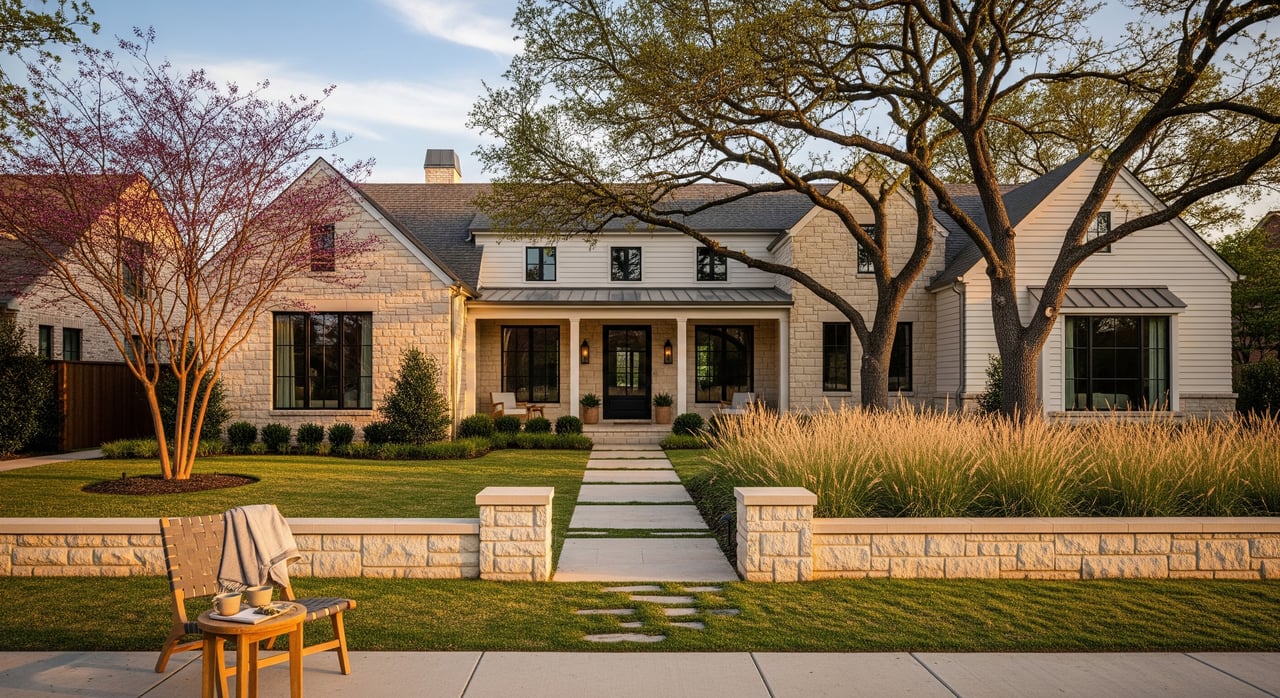
Thinking about making Oklahoma City home? You are not alone. With room to spread out, a growing job market, and real neighborhood variety, OKC blends big-city amenities with an easygoing pace. In this guide, you will learn what everyday life looks like across different parts of the city, how you will get around, and how to pick the right neighborhood for your goals. Let’s dive in.
OKC at a glance
Oklahoma City is a midsize Sun Belt city with a city population of about 655,000 and a metro in the low millions. You will find a diverse economy anchored by energy, aerospace and defense, healthcare, education, retail, and a growing tech and services sector. Major employers include Tinker Air Force Base, regional hospital systems, and universities.
Affordability is a key draw. Housing generally costs less than in many coastal metros, and buyers see a wide range of options from historic neighborhoods to new-build suburbs. The market has appreciated in recent years, yet price points still compare favorably with larger cities.
Neighborhood vibes by lifestyle
“Living in OKC” can feel very different depending on where you land. You can choose walkable urban districts, leafy historic streets, or newer suburban communities with more space. Here is a quick tour.
Downtown and urban core
- Areas: Downtown, Bricktown, Midtown, Automobile Alley, and the Business District.
- Vibe: Sports, events, and entertainment. Think Paycom Center game nights, Bricktown’s canal and ballpark, plus restaurants and bars.
- Housing: New condos and apartments, plus loft conversions in historic buildings. Walkability is higher here than in most of the metro.
- Getting around: The modern streetcar loops through the core, which makes short trips and nights out easy.
Arts and creative districts
- Paseo Arts District: Spanish Revival architecture, galleries, cafés, and a monthly art walk. It has a relaxed, creative feel.
- Plaza District: Small theaters, murals, and an expanding food scene. Expect a lively calendar and evolving storefronts.
- Nearby institutions: The Oklahoma City Museum of Art, Civic Center Music Hall, Myriad Botanical Gardens, and the Oklahoma City National Memorial and Museum are all within reach.
Historic, tree-lined neighborhoods
- Options: Heritage Hills, Mesta Park, and Crown Heights. You will see Victorian, Craftsman, and Tudor styles with mature trees.
- Why people choose them: Character, classic architecture, and central locations.
- What to plan for: Older homes may require more upkeep. Many areas have active preservation guidelines and pride of place.
Suburban living and schools
- North and south: Edmond to the north and Norman to the south offer suburban neighborhoods, university amenities in Norman, and a wide mix of stores and parks.
- Other options: Deer Creek, Nichols Hills, Moore, and Yukon offer varied price points and home styles.
- Schools: Multiple districts serve the metro. Performance varies by district and by school, so review school boundary maps and current reports as you narrow your search.
- Vibe: Larger lots, newer subdivisions in many areas, and easy access to everyday retail. Commute times depend on proximity to job centers and freeway access.
New growth and in-town infill
- Newer communities: Northwest and southwest suburbs near the I-35 and I-44 corridors continue to add master-planned neighborhoods and retail.
- In-town choices: Adaptive re-use and infill projects are adding condos, townhomes, and small-lot single-family options close to downtown.
Getting around
Driving is the most common way to get around OKC. Median commute times are at or slightly below the national average, and congestion is moderate compared with larger metros. Major routes include I-35, I-44, I-40, the Kilpatrick Turnpike, the Broadway Extension, and NW Expressway.
Public transit is available through EMBARK bus routes, with the most frequent service in core corridors. The downtown streetcar connects Bricktown, Midtown, and Automobile Alley, which helps if you live and work in the core. Some neighborhoods are walkable and bikeable, especially near downtown and in the arts districts, though bike infrastructure is not as extensive as in larger bike-first cities. Will Rogers World Airport sits southwest of downtown with straightforward highway access.
Pro tips:
- Test your commute at peak times before you decide on a neighborhood.
- If you want car-light living, focus your search on the downtown core and adjacent districts served by the streetcar and frequent buses.
- Event nights near stadiums and Bricktown can add travel time. Plan accordingly.
Schools and family life
The metro includes multiple public school districts. Oklahoma City Public Schools is the largest within city limits, and suburban districts such as Edmond, Norman, and Deer Creek serve surrounding areas. Performance varies across schools and neighborhoods. As you compare homes, review district boundaries and individual school information to match your goals.
Childcare can be competitive in fast-growing areas. Popular daycare and preschool programs may have waitlists, so start early. For family-friendly activities, you will find a strong parks and library network. Scissortail Park and Myriad Botanical Gardens host seasonal events and children’s programs. The Oklahoma City Zoo and trails around Lake Hefner are weekend staples.
Arts, dining, and outdoors
Cultural life is a pleasant surprise for many newcomers. The Oklahoma City Museum of Art, the Civic Center Music Hall, and the National Cowboy and Western Heritage Museum anchor the arts scene. Smaller theaters and galleries in the Paseo and Plaza districts fill the calendar with local performances and openings.
The dining scene blends classic barbecue and Southwest flavors with inventive chef-led kitchens, craft breweries, and cocktail bars. Bricktown draws visitors, while Automobile Alley and Midtown offer trendier restaurants and lounges. Paseo and Plaza deliver café patios, small eateries, and creative menus.
For fresh air, start downtown at Scissortail Park or the Myriad Botanical Gardens. Lakes Hefner, Overholser, and Stanley Draper are popular for running, cycling, fishing, or boating. Along the Oklahoma River, the Boathouse District supports rowing, paddling, and riverside trails, including competitive regattas during event seasons.
Weather and practical prep
Summers run hot and humid, often in the 80s to 100s Fahrenheit. Winters are usually mild with occasional freezing days and light snow. Spring and early summer bring severe thunderstorms and tornado risk. Local emergency management agencies maintain strong warning systems. If you are new to the region, identify a shelter plan, explore safe room options, and set up smartphone alerts.
Citywide safety varies by neighborhood and block. To build a clear picture, review recent crime maps, talk with neighbors, and visit areas at different times of day. As for jobs, you will find steady demand in defense and aerospace, energy, healthcare, and education, with a growing services and tech presence. Many newcomers also relocate for cost-of-living advantages while working remotely.
Choose your OKC neighborhood
Use this quick checklist to focus your search and compare options.
- Commute reality: Map the route to your job center and test it during rush hour.
- School boundaries: Confirm district and school assignments for specific addresses.
- Home type: Decide between historic character, mid-century charm, or new construction.
- Budget and tradeoffs: Balance price, square footage, and renovation needs.
- Walkability and amenities: List the restaurants, parks, and activities you want nearby.
- Noise and nightlife: Visit at night and on weekends to get a real feel for the area.
- Storm-readiness: Look for existing storm shelters or plan to add one.
- Parking and storage: Check garage space, street parking, and storage for hobbies.
Work with a local guide
If you are moving across town or across the country, the right local team makes every step easier. Our boutique brokerage pairs neighborhood expertise with concierge-level service at every price point. You get responsive communication, clear guidance, and a collaborative agent model that keeps you covered from search to closing. When you are ready to explore homes, request pricing context, or map out a neighborhood tour, connect with The Ambassador Group Real Estate.
FAQs
Is Oklahoma City affordable for homebuyers compared to larger metros?
- Yes, OKC’s overall cost of living and housing prices are generally lower than many coastal and large Sun Belt cities, which gives buyers more options for the budget.
Which OKC neighborhoods offer the most walkable nightlife and dining?
- Downtown, Bricktown, Automobile Alley, Midtown, the Paseo Arts District, and the Plaza District concentrate many restaurants, bars, galleries, and event venues.
Can you live in Oklahoma City without owning a car?
- Most residents drive, but living in the downtown core and adjacent districts makes it easier to rely on the streetcar, buses, walking, and rideshare for many trips.
How serious is tornado season in Oklahoma City for newcomers?
- Severe weather is a real seasonal risk, especially in spring and early summer, so set up alerts, know your shelter plan, and consider homes with storm-safety features.
What are commute times like across the OKC metro?
- Commutes are generally moderate compared with larger metros, with peak traffic on I-35, I-44, I-40, and major arterials; timing improves when you live near job centers.
Where do families often focus when comparing public schools in the OKC area?
- Families often review options across multiple districts, such as OKCPS, Edmond, Norman, and Deer Creek, and then verify current performance and boundaries for each school.