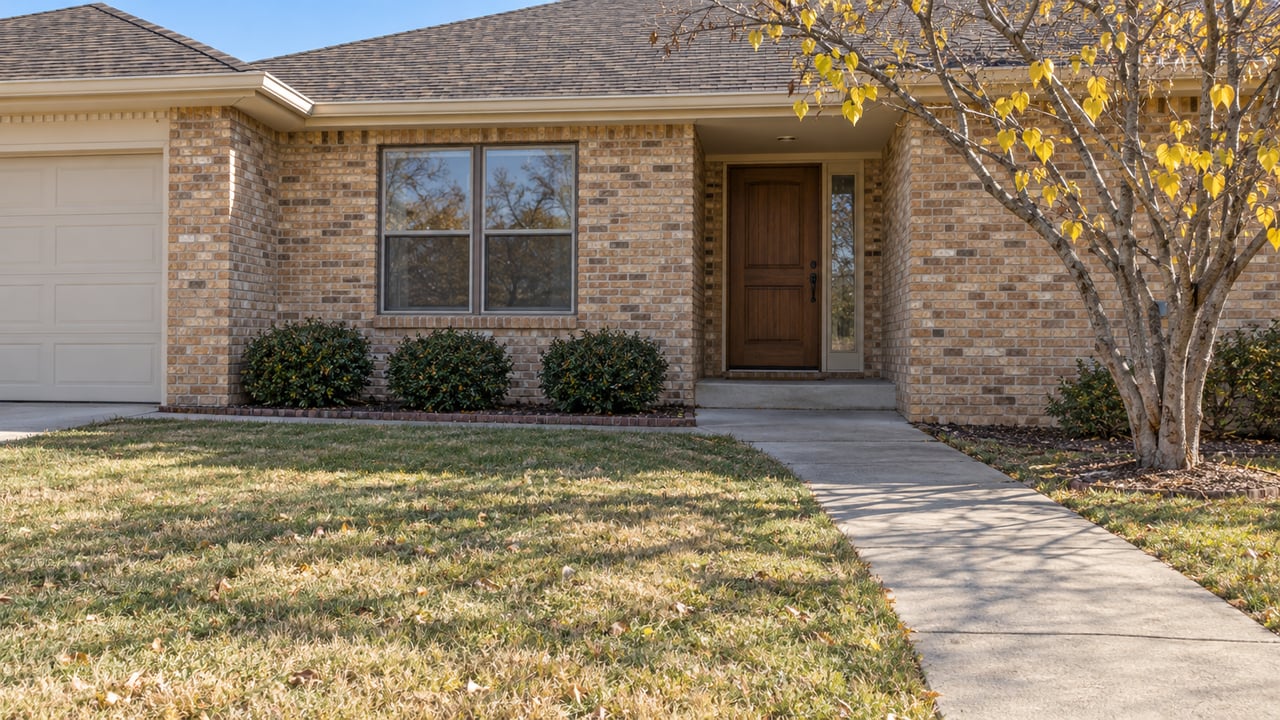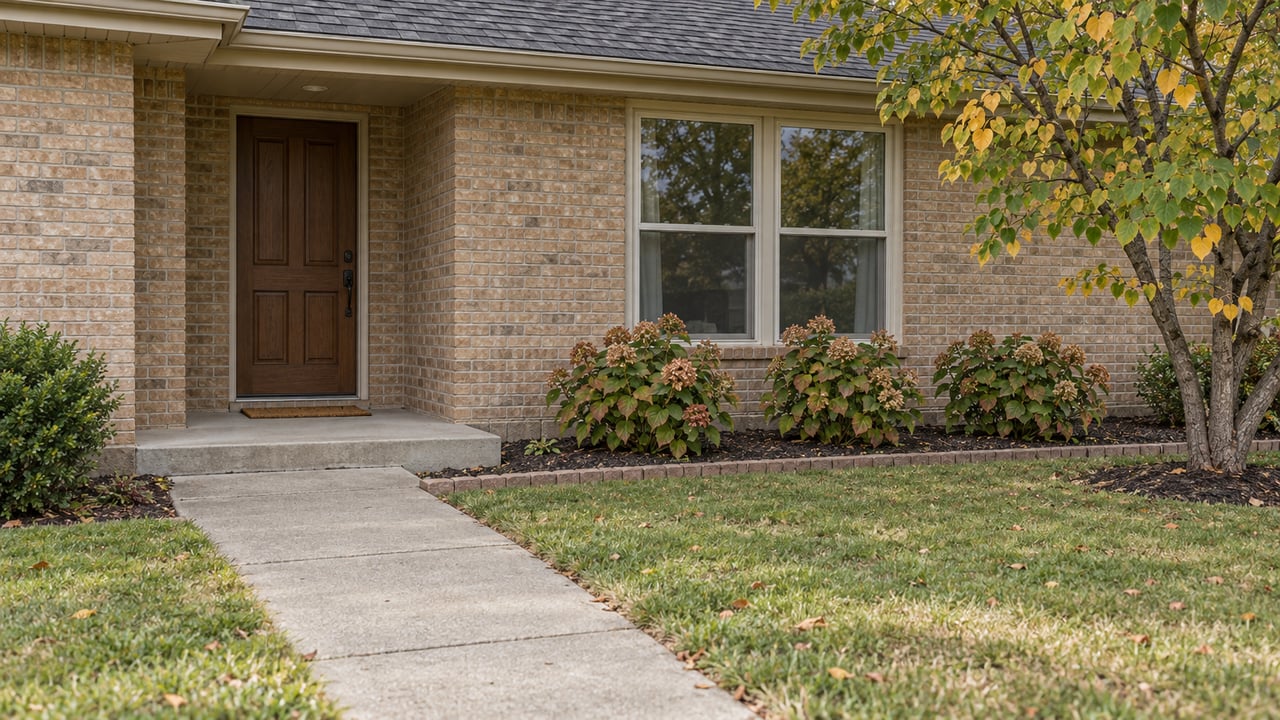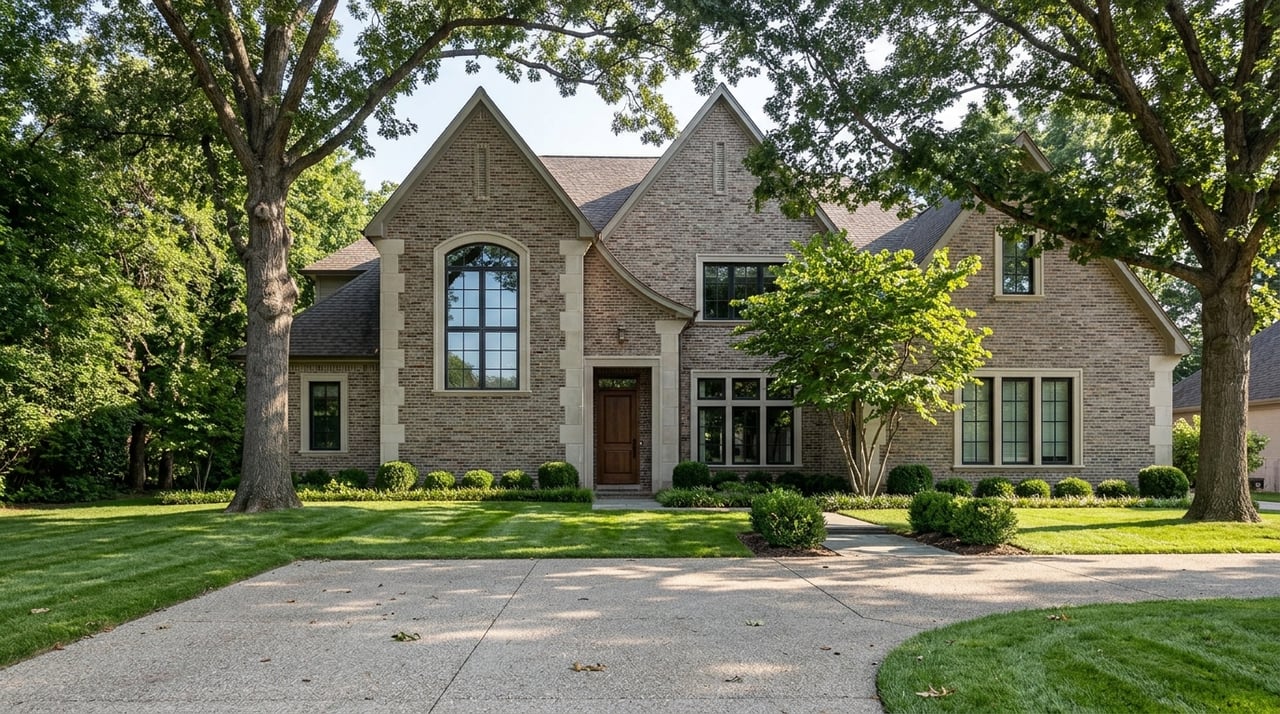
A buyer looking at a small brick house on a quarter-acre in Nichols Hills this summer might think they've found a bargain. The listing says the lot is priced for land value only. The plan seems simple: close, demolish, build. Then the buyer learns that, under Nichols Hills Building Commission guidelines, you cannot demolish a home at all until the city has already approved what you intend to build in its place.
That single rule, tucked into the city's zoning code, explains more about how this market actually prices homes than any median you'll find on a portal.
How demolition approval works
Nichols Hills reinstated its Building Commission by ordinance in 2019. OKC Friday reports that five commissioners, at least two of whom must be credentialed design or planning professionals and one a licensed general contractor, oversee new construction and demolition approvals. The city's own guidelines are direct about what this means for a teardown. A dwelling cannot come down until a replacement dwelling has cleared the Building Commission's review.
That sequencing matters for anyone budgeting a purchase. You aren't buying a lot and a demolition permit in the same transaction. You're buying a lot, then entering a design review process, then getting a demolition approval that's contingent on that design already being approved. The council members who pushed for the ordinance were explicit about why. Then-Mayor Steve Goetzinger said his priority was resolving complaints about privacy where single-story homes sat next to new two-story construction. Vice Mayor Sody Clements framed the tension even more plainly, saying that "a lot of people moved here 30 years ago because of the charm, character and tradition" and that she felt an obligation to those residents. The ordinance isn't a formality. It establishes a review process for the kind of rebuild a lot-value listing may involve.
Why the median swings by 30 percent in a year or 50 percent in a single month
Once you understand that Nichols Hills is a market where land and structure are priced separately, the wild swings in the quoted median price stop looking like noise and start looking like arithmetic.
Redfin's own tracking shows the median sale price fell to $1.0 million in March 2026, down 29.4 percent from the year before, on just four closed transactions that month, compared with eight sales the prior March. Movoto's listing data for the same market shows active asking prices sliding too, from a median of $899,000 in July 2026 to $886,000 in August. Meanwhile, an older agent-branded market snapshot still circulating online, last refreshed in July 2026, reported a median of $613,000, up 57 percent in a single month.
None of these numbers is fabricated. They're measuring different things at different moments, and in a market this small, the difference matters enormously.
| What you're looking at | Time window | Figure | What it's actually built from |
|---|---|---|---|
| Closed sales, tracked by Redfin | March 2026 | $1.0M median, down 29% year over year | Four transactions total |
| Active listings, tracked by Movoto | August 2026 | $886K median asking price | Homes not yet under contract |
| An agent market page still online | Refreshed July 2026 | $613K median, described as up 57% in a month | A different, smaller batch of data than the two above |
When your entire monthly sample is four to ten homes, and half of those homes are being sold for the dirt under them while the other half are finished five-thousand-square-foot estates, the median isn't measuring appreciation or decline. It's measuring which side of that split happened to close that month.
Two markets wearing one zip code
This is the part a portal search won't show you: Nichols Hills isn't one housing product with one price curve. It's at least two, sitting on the same streets.
On one side, listings explicitly marketed for land value only. A fifty-eight-hundredths-acre parcel in Sherwood Manor came to market this year pitched for its redevelopment potential and its proximity to Penn Square Mall and Classen Boulevard, not for the home already sitting on it. A deep lot in Meadowbrook Acres, at 50 by 170 feet, was marketed the same way, valued for its buildable depth rather than anything currently standing on it. New-construction lots in Cumberland Court, a guarded, concierge-serviced development a block from Nichols Hills Plaza and its restaurants and the neighborhood Trader Joe's, sell as raw building envelopes from the start, with buyers expected to bring their own builder.
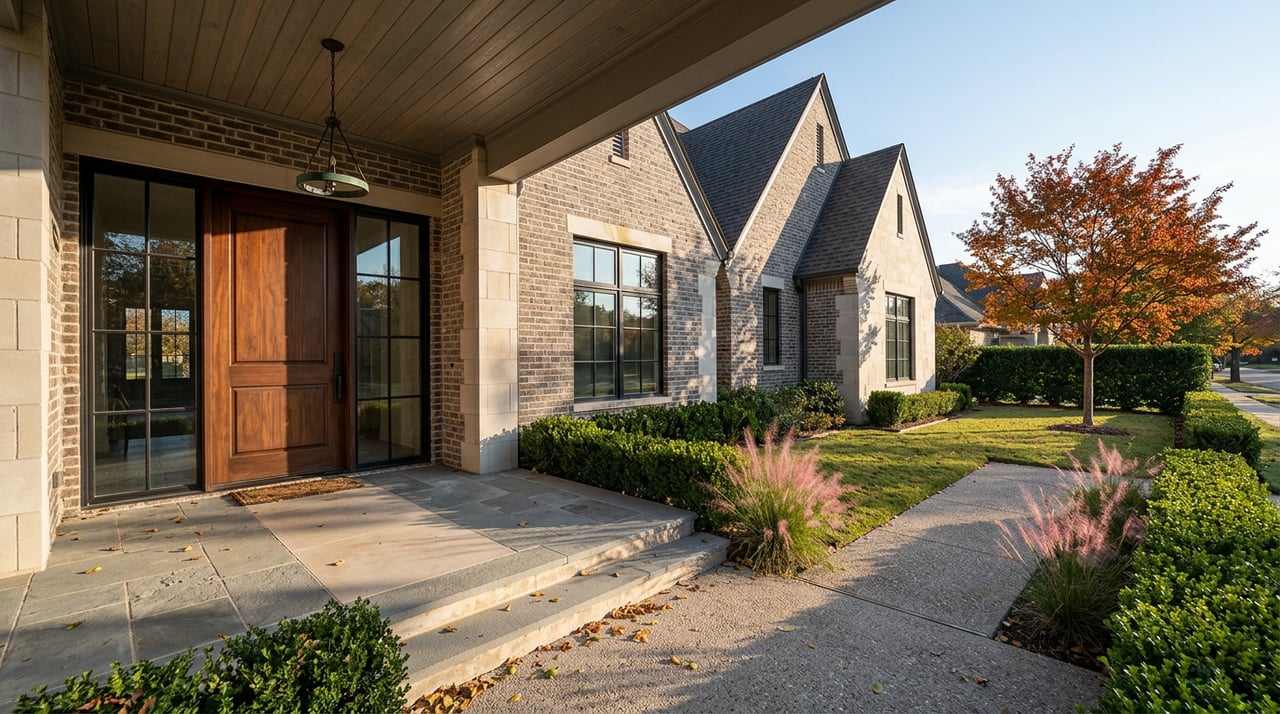
On the other side, architect-built estates that never touch the teardown math at all. These are the homes carrying names like Tom Krone or Bruce Barkocy in their listing history, priced well north of the neighborhood's median because the value sits entirely in the finished structure, not the dirt beneath it.
A single "price per square foot" figure for Nichols Hills, whatever number a given site reports this month, is averaging across both of these products. It tells you almost nothing about what either one actually costs.
What the zoning map controls that the photos don't show
The building code splits Nichols Hills into six residential zoning districts: the E-1 Estate District, the E-2 Urban Estate District, the R-1-75 and R-1-60 Single-Family Districts, the R-2 Two-Family District, and the R-3 Multi-Family District. Each carries its own "general description" that the Building Commission uses to judge whether a proposed project fits. The Estate District's standard, for instance, calls for development compatible with "an exclusive neighborhood of large single-family homes on large lots with considerable private open space and landscaping."
Setbacks compound the effect. One recent land listing showed a lot measuring 120 feet by 204 feet at the street, but setbacks leave less space to build. Two lots that look identical from the street can have meaningfully different footprints once you subtract what the district's setback rules take off each side.
None of this shows up in a portal's square-footage filter. It shows up when you or your architect pull the actual zoning district and run the setback math before you make an offer.
How to actually price a Nichols Hills purchase
Before you anchor to any median you've seen quoted, a few questions do more work than the number itself:
- Which zoning district is this lot in, and what does that district's setback and lot-coverage rule leave you to build with?
- If the listing is priced for land value, have you budgeted for a Building Commission review cycle before you can touch the existing structure?
- Is the number you're comparing a closed sale price or a list price? They moved in opposite directions for parts of this year.
- How many transactions built the median you're looking at? A four-sale month and a ten-sale month aren't telling you the same kind of story.
Sellers benefit from the same clarity. A finished estate and a teardown candidate on the same block shouldn't be priced off the same comp set, and buyers who understand the zoning district your home sits in will negotiate with more confidence, not less.
Frequently Asked Questions
Can I buy a home in Nichols Hills and tear it down right away? No. City code requires an approved replacement dwelling before a demolition permit can move forward, so the design and review process happens before, not after, you can remove the existing structure.
Why do three different websites show three different median prices? Nichols Hills sells a small number of homes each month, often under ten, so the median is highly sensitive to which specific homes happened to close. Some sites also track list prices rather than closed sale prices, which can move in different directions in the same period.
Does the zoning district actually change what I can build? Yes. The six residential districts each carry their own development standards, and setbacks alone can reduce a lot's buildable footprint substantially compared to its street-facing dimensions.
If a home is priced low for its square footage, is that a red flag? Not necessarily. In this market, a low price per square foot often signals a home being valued for its land rather than its structure, which is a different kind of purchase with a different set of next steps, not automatically a warning sign.
If you're trying to make sense of what a specific Nichols Hills lot or home is actually worth this year, zoning district and all, The Ambassador Group Real Estate offers a free home valuation that starts with those questions instead of skipping past them.
This article is general information, not legal, tax or financial advice. Consult a qualified professional about your situation.