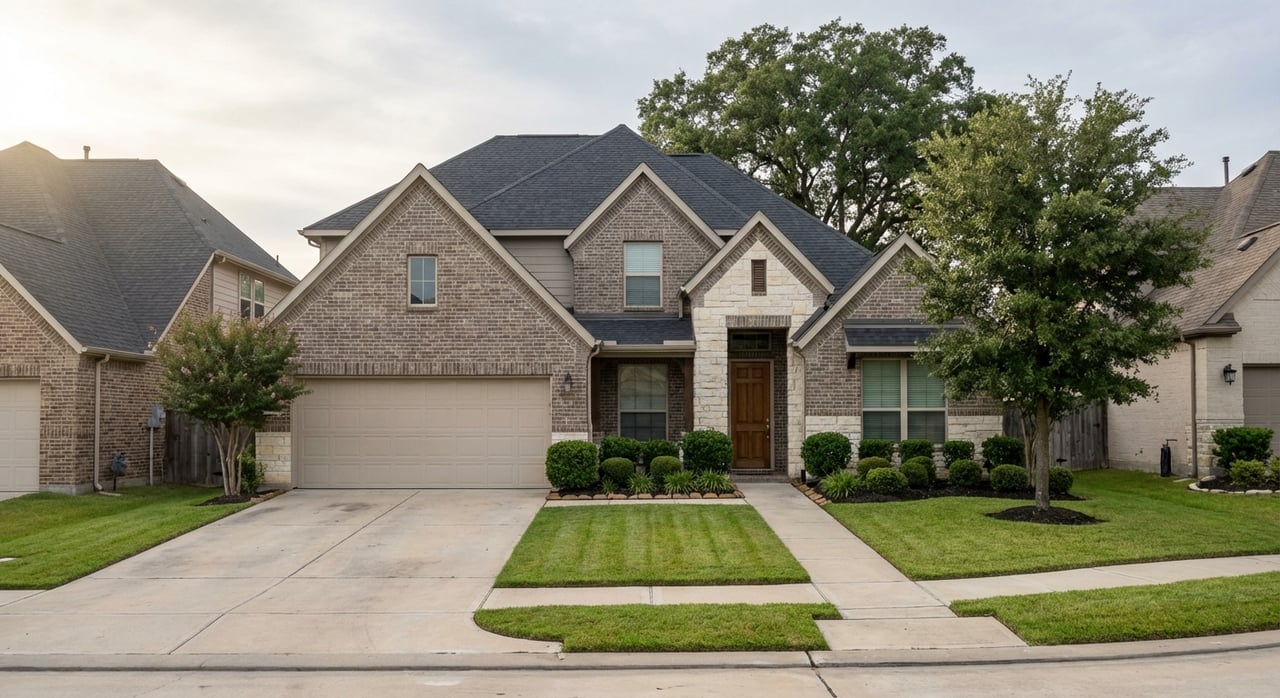
Picture this: you find a great Oklahoma City home on Friday, tour on Saturday, and by Sunday night three offers are already in. It can feel like the best homes move before you catch your breath. You are not alone. Many buyers across OKC and the suburbs still face pockets of heavy competition, especially at entry-level price points. In this guide, you’ll learn what truly moves the needle on a winning offer, how multiple offers work in Oklahoma, and a step-by-step plan to shop smart without overpaying. Let’s dive in.
OKC market now: where competition still bites
Recent reports show the Oklahoma City metro shifting toward more balanced conditions with growing inventory and longer days on market, while certain segments still attract multiple offers. You’ll often see the strongest competition for well-located, lower-priced homes in central OKC and close-in suburbs. At the same time, mid-to-upper price bands sometimes allow more negotiation on inspections and closing terms. According to an OKC housing update, buyers today can often ask for reasonable terms if they stay data-driven and flexible on timing (market context).
Submarket differences matter. For example, Edmond areas tend to price higher than many parts of central OKC, and specific neighborhoods within any suburb can vary. Your offer strategy should match the price band and current listing activity, not a one-size-fits-all playbook. A focused set of comparable sales and a quick pulse on competing offers can guide how aggressive you need to be.
How multiple offers work in Oklahoma
Deadlines and “highest-and-best”
Sellers or listing agents may announce an offer review date or ask for “highest and best” by a set time. They can also accept an early offer if they choose. In practice, deadlines can move, and communication is key. Best-practice guidance for offer timing stresses clear instructions and timely updates to all parties (offer presentation guidance).
Legal duty to present your offer
In Oklahoma, brokers must be available to receive and present written offers promptly unless the seller has made another arrangement. Listing agents should not withhold offers and are expected to present them in a timely manner. The Oklahoma Real Estate Commission forms and guidance are the baseline for how offers, escrow, and disclosures are handled (OREC forms and guidance).
Offer terms that win without overpaying
Earnest money and delivery timing
Earnest money shows commitment and becomes a credit at closing. In many OKC mid-priced purchases, buyers commonly put up about 1 percent of price, often around 1,000 to 5,000 dollars, and in very competitive cases some buyers offer more to stand out. Oklahoma contracts typically expect the deposit to be delivered within 24 to 72 hours of acceptance, and the OREC forms explain escrow handling and release terms if a deal falls through (OREC forms and guidance).
Trade-off: a larger deposit is persuasive but raises risk if you waive or let contingencies expire. Decide your deposit size in advance and make sure it matches the protections in your contract.
Strong financing proof
Sellers value certainty. A fully vetted lender preapproval that verifies income and assets carries much more weight than a quick prequalification. The Consumer Financial Protection Bureau recommends getting a robust preapproval so you can demonstrate your ability to close with confidence (CFPB preapproval basics). If paying cash, provide clear proof of funds. Your agent can package your offer so the listing side sees an easy, reliable path to the finish line.
Appraisal planning and gap clauses
Not every loan requires a full appraisal. Depending on the loan and the automated underwriting decision, some buyers may receive a valuation alternative, formerly called an appraisal waiver. These are case-by-case and not guaranteed, and lenders choose whether to accept them (Fannie Mae valuation FAQs).
If appraisal risk is a concern, some buyers include an appraisal gap clause that commits extra cash up to a cap if the appraisal comes in low. This can win a deal, but it shifts risk to you, so document a firm dollar limit you can afford (what an appraisal gap clause does). If the appraisal lands below contract price, your main options are to renegotiate, pay the difference in cash, request a reconsideration or second opinion when justified, or cancel under a contingency if allowed by your contract and deadlines (low appraisal options explained).
Inspections: speed versus safety
Shortening an inspection window can make your offer more competitive, and in rare cases a buyer may waive the inspection if they have done a pre-inspection and accept the risk. Waiving protections increases uncertainty for you, so weigh this carefully and only with professional guidance (contingency trade-offs). Often, a quicker but still protective inspection period is a smart middle ground.
Escalation clauses and “highest-and-best” rounds
An escalation clause can automatically outbid a competing offer by a set increment up to a cap. These can work when drafted carefully with a clear base price, increment, maximum cap, and a requirement for proof of a bona fide competing offer. Some sellers prefer simple “highest-and-best” rounds and may decline escalation clauses, so your agent should confirm the listing side’s preference before you use one (escalation clause pros and cons).
Dates, possession, and rent-backs
Sellers often value convenience. Offering a closing date that aligns with the seller’s move, or agreeing to a short post-closing rent-back with proper paperwork, can strengthen your offer at low cost. If you consider a rent-back, use a written occupancy agreement with a defined end date, fair rent, a security deposit, and clear liability terms.
Personal letters and fair-housing caution
Buyer letters can humanize an offer, but they may create fair-housing concerns if they reference protected characteristics. If you write a note, focus only on the property features and your ability to close, or skip letters if advised by your brokerage. Keep your offer competitive on its terms, not on personal details.
A simple OKC buyer game plan
Use this checklist to prepare before you write an offer:
- Get a verified preapproval, not just a prequalification. Include your lender’s letter and contact info in the offer (how preapproval works).
- Ask your lender early about appraisal expectations, including whether your loan might qualify for value acceptance or a desktop/hybrid option. Do not assume a waiver will be offered (valuation alternatives overview).
- Work with your agent on a tight comparative market analysis and a short comps packet to support price and help if value is questioned. Use the Oklahoma forms as your baseline for timing and disclosures (OREC contract hub).
- Decide your earnest money and any appraisal gap cap in advance. Know your maximum cash exposure at several price and appraisal scenarios.
- If competition is likely, consider a pre-inspection or a shortened inspection window, and budget the cost upfront (inspection risk basics).
- Use escalation clauses cautiously. Always include a cap you can finance or cover in cash and require proof of a competing offer if the clause triggers (escalation clause insights).
- Offer flexibility on close date and, if needed, a short rent-back with a formal occupancy agreement and protections.
- Present a clean, verifiable package: preapproval, proof of funds, clear earnest money instructions, responsive communication, and a realistic timeline to close.
When you tailor these tactics to the exact submarket and price band, you give sellers what they value most: clarity and certainty, without unnecessary risk to you. If you are eyeing an Edmond starter home, you might lead with a stronger deposit, tight inspection timeline, and an appraisal plan. If you are targeting a higher-price home in northwest OKC with longer days on market, you might prioritize inspection credits, flexible closing, and a price supported by recent comps.
Ready to put a plan in motion? Our team pairs neighborhood expertise with concierge-level service so you stay a step ahead at every turn. Reach out to The Ambassador Group Real Estate for a custom buying strategy for Oklahoma City and the surrounding suburbs.
FAQs
How much earnest money is typical in Oklahoma City?
- Many mid-priced OKC offers include about 1 percent of price, often 1,000 to 5,000 dollars, with some buyers offering more in competitive situations. Match the amount to your contract protections.
How do Oklahoma multiple-offer deadlines usually work?
- Sellers may set a review date or ask for “highest and best,” but they can accept an early offer. Timing can change, so submit a clean, verifiable offer promptly and stay in close contact.
What is an appraisal gap clause in OKC offers?
- It is a promise to cover a specific shortfall between the appraised value and contract price, up to a cap. It can help win in tight segments but requires available cash and careful drafting.
Should I waive my inspection to be more competitive?
- Only if you fully understand the home’s condition and accept the risk. A shortened inspection window or a pre-inspection often delivers speed without giving up key protections.
What happens if my appraisal comes in low in Oklahoma?
- Your typical options are to renegotiate the price, bring extra cash, request a reconsideration or another opinion when justified, or cancel if your appraisal or financing contingency allows it within deadlines.