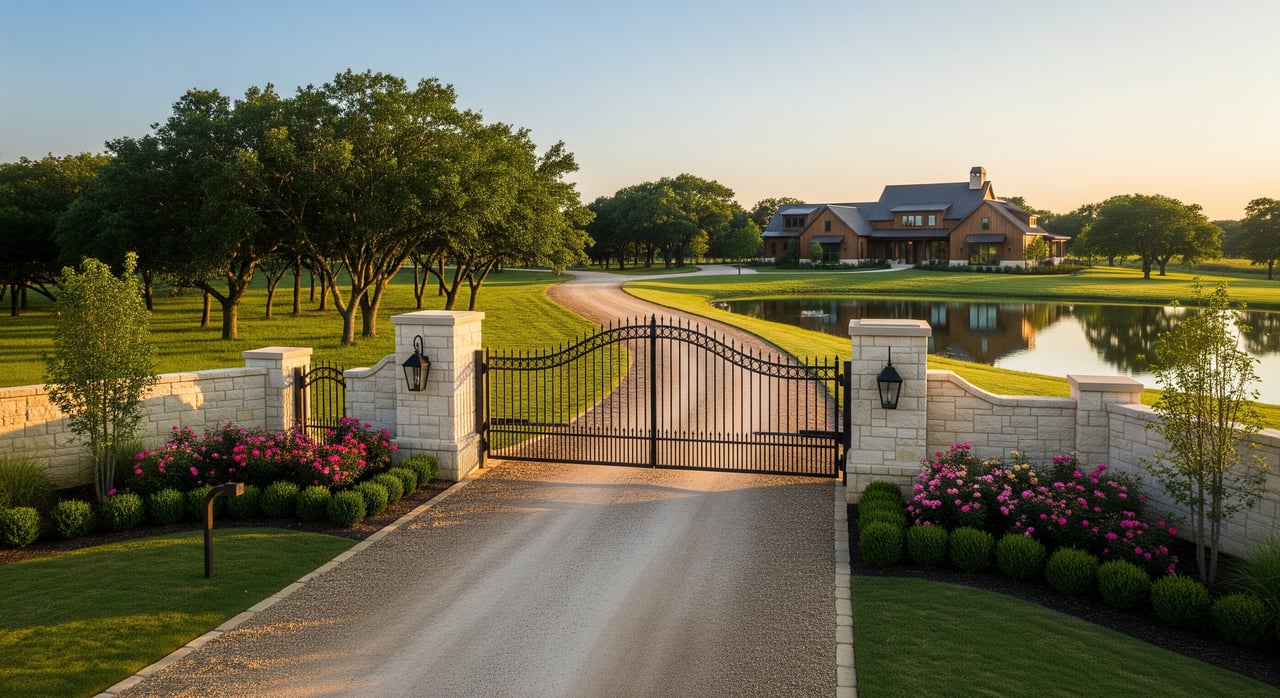
Thinking about buying in Rose Creek but not sure how gated living actually works day to day? You’re not alone. Between gate protocols, HOA documents, and extra logistics for showings and inspections, there are a few moving parts to plan for. This guide walks you through what to ask, what to review, and how to move from first visit to closing with confidence. Let’s dive in.
Why buyers choose gated living
Gated neighborhoods often appeal because of controlled access, quieter streets, and well-kept common areas. Many also offer amenities like a clubhouse, pool, fitness space, trails, or courts. You may find organized community events and a consistent look across homes and landscaping.
It is important to remember that gates can deter casual trespassing but do not guarantee zero crime. How the gate is staffed, the technology used, and overall operations influence the level of deterrence. Treat security as one factor among many when you evaluate fit.
Gate access and visitor rules
Gated communities use different systems. You might encounter a staffed guardhouse, phone-entry or intercom, keypad codes, remotes or FOBs, or a mix of these. Operations can vary by time of day, with more staffing during peak hours and automated entry at other times.
Visitor and contractor access typically requires pre-authorization. Deliveries may follow a separate process, and some communities issue temporary codes for scheduled work. Ask the listing agent how showings, inspectors, appraisers, and movers are cleared at the gate.
Emergency access is another key area. Clarify how first responders enter and whether the gate’s programming could cause any delay. You want to understand procedures before you schedule inspections or plan a move.
Key questions to ask before your first visit
- What gate type is used and are there staffed hours versus automated entry times?
- Do I or my agent need to show identification at the gate, and will our names be on a pass list?
- How do delivery drivers, inspectors, and contractors gain entry?
- Are lockboxes permitted and where are they placed?
- What are the parking rules for guests and contractors?
- How are remotes or FOBs transferred at closing and are there fees or deposits for extras?
HOA costs, rules, and documents
Your HOA shapes both costs and lifestyle. Monthly dues usually help fund gate operations, private road care, landscaping for common areas, amenities, insurance for shared elements, and possibly security staffing. There may also be transfer or capital contribution fees at closing. Ask who typically pays these fees in this community.
Use restrictions matter. Common rules cover exterior changes, fencing, landscaping approvals, parking, and holiday décor. Rental policies vary and may limit short-term rentals or cap the number of homes that can be leased at one time. If you plan to rent at any point, request the rental policy upfront.
Documents to review before you offer
- CC&Rs, bylaws, and rules and regulations
- Current budget and recent financial statements
- Reserve study for long-term repairs and replacements
- Minutes from recent board meetings
- Resale certificate or estoppel letter with dues, delinquencies, and assessments
- Insurance declarations to understand what the association insures versus owner responsibility
Common fees to budget for
- Monthly or annual HOA dues
- One-time transfer or capital contribution fee at closing
- Resale certificate or estoppel preparation fee
- Remote or FOB deposits, programming, or replacement cost
- Move-in or move-out scheduling fees if applicable
Amenities, maintenance, and lifestyle fit
Ask which amenities are active and how they are maintained. Typical offerings can include a clubhouse, pool, fitness area, tennis or pickleball courts, playgrounds, walking paths, ponds, and private streets. Clarify any guest policies and whether there are hours or seasonal closures.
Maintenance standards can be a big plus. Find out what the HOA maintains versus what you handle as a homeowner. Private roads, gate systems, and common landscaping are often association responsibilities, while driveways, HVAC, and interiors usually fall to owners. Confirm seasonal plans for storm cleanup and irrigation.
Culture matters too. Review recent board minutes for clues about community priorities, upcoming projects, or disputes. A professionally managed HOA may offer more predictable operations, though fees can be higher. A volunteer-run board can work well if reserves and planning are strong.
Homes and features you will see
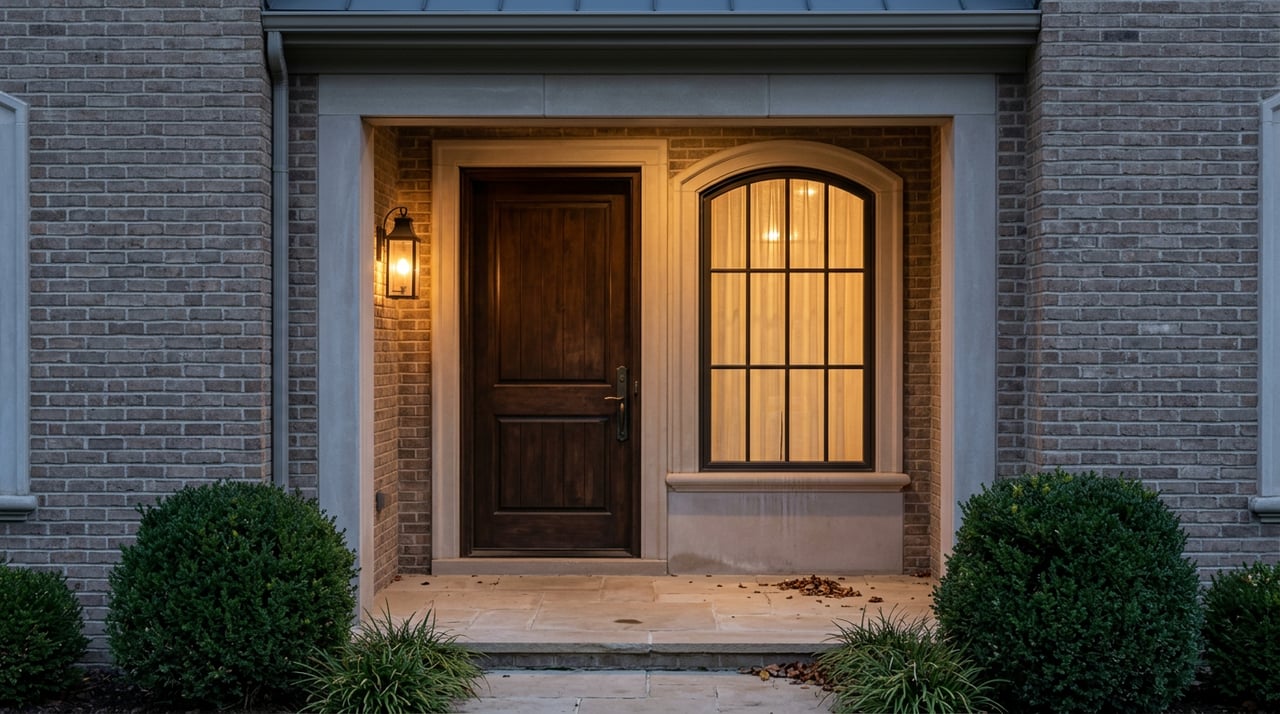
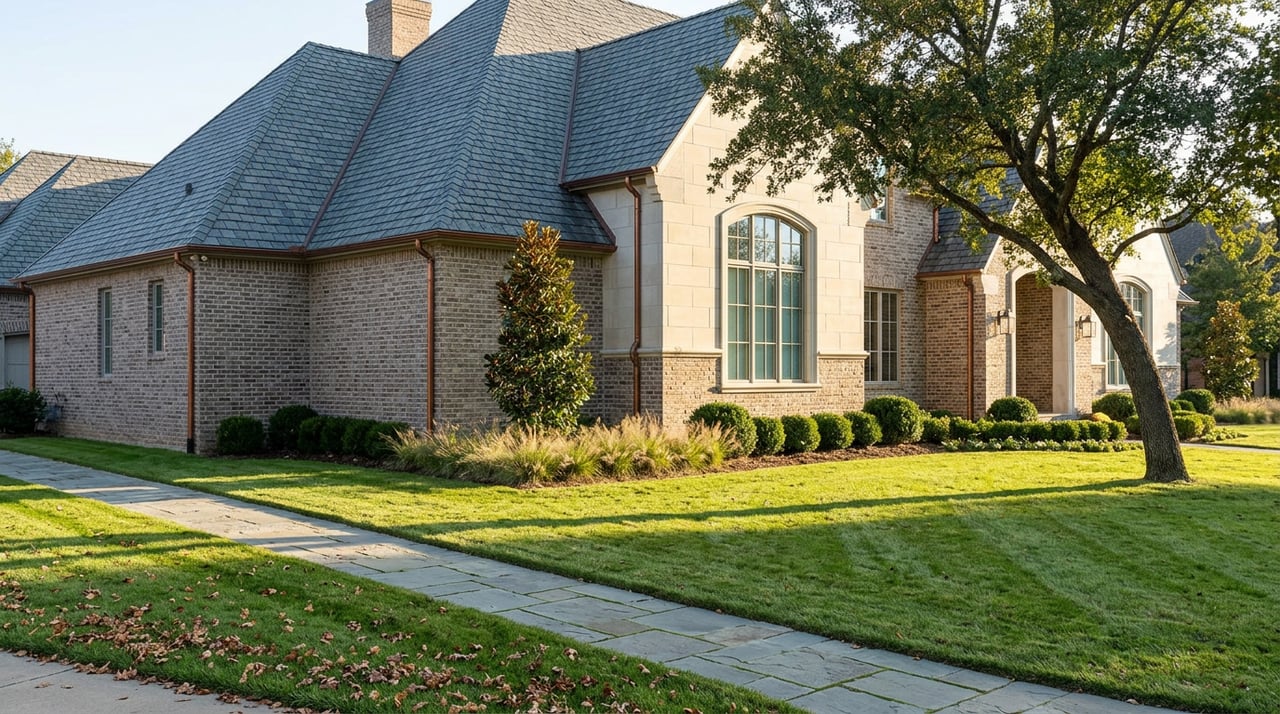
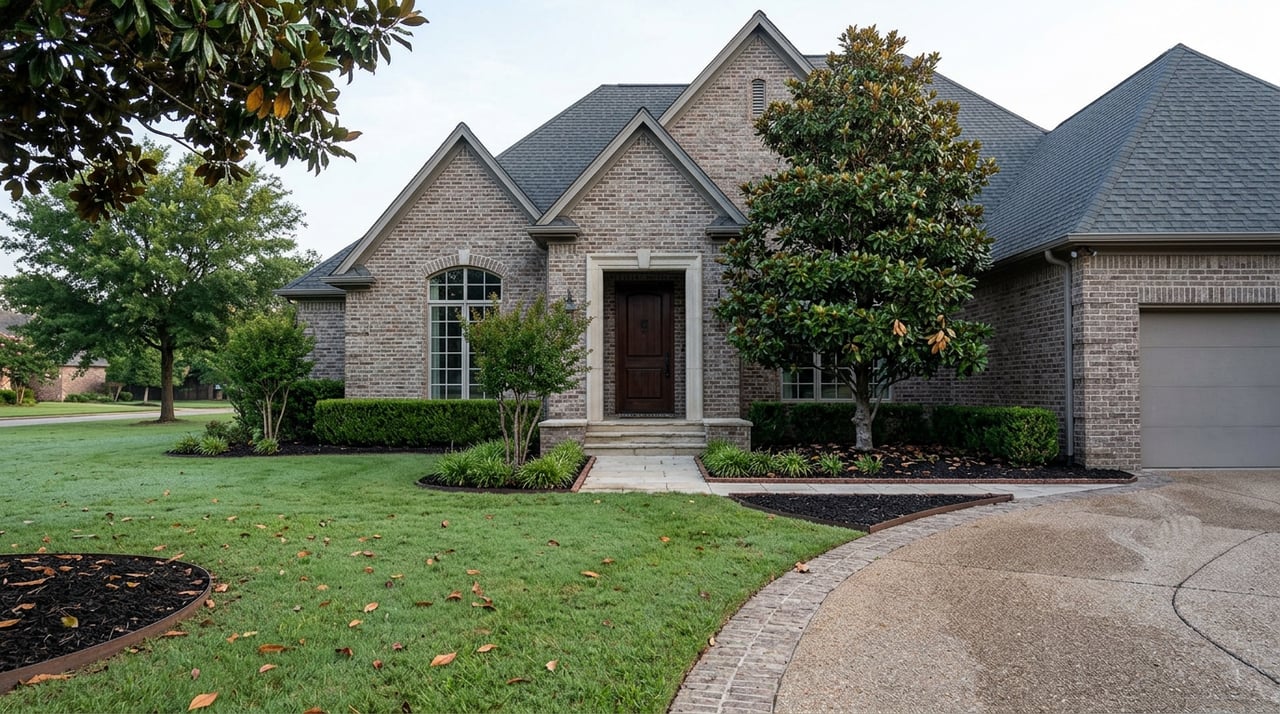
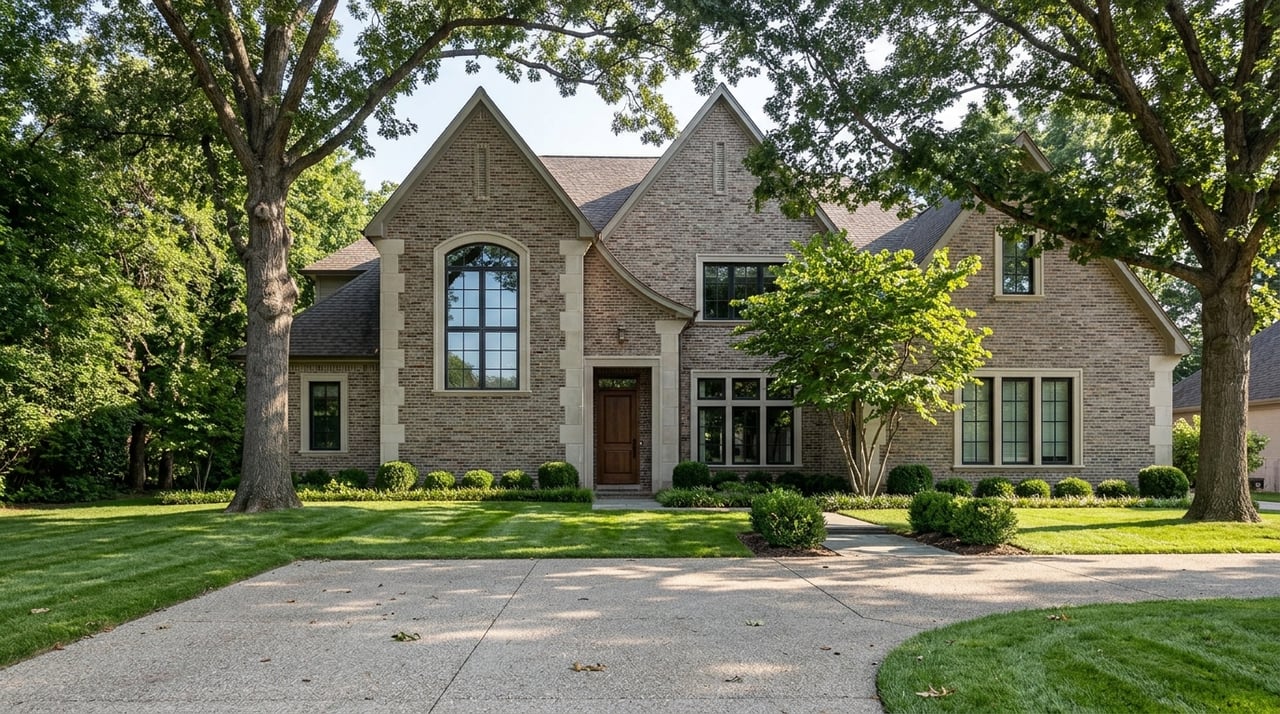
In Oklahoma gated neighborhoods, single-family homes are most common. You will likely see ranch or two-story traditional designs with brick or brick-and-stone exteriors. Lot sizes and yard expectations vary by section and phase.
Storm readiness is a practical consideration. Ask about safe rooms or basements, roof age and condition, and whether the property has drainage design that fits local weather. Also clarify utilities, including whether roads and street lighting are private and maintained by the HOA.
Oklahoma weather readiness checklist
- Safe room, storm shelter, or basement and where it is located
- Roof condition and any hail-resistant materials
- Clear grading and drainage away from the foundation
- Gutter, downspout, and French drain setup if present
- Insurance guidance for wind, tornado, and hail coverage
Showings, inspections, and offers
Plan extra lead time for showings. The listing agent often coordinates gate clearance, temporary access codes, or guardhouse notice. Some communities limit lockbox placement or require identification at entry. Drone photography can be restricted, so confirm before scheduling aerials.
Inspectors, appraisers, and contractors may need pre-approval and sometimes an escort. Build this into your schedule and be ready to provide names and arrival times. If gate staff manage call-ins, factor that into timing.
When you write an offer, include contingencies that reflect gated and HOA realities. Your lender may also require specific HOA documents during underwriting. Appraisers will rely on comparable sales in the community or very similar nearby neighborhoods, so choose professionals familiar with the area.
Offer terms to consider
- Contingency to review HOA documents and obtain a resale certificate or estoppel letter
- Disclosure contingency for any pending or recent special assessments or litigation
- Lender acceptance of HOA financials and insurance if required
- Timing allowances for inspector and appraiser access through the gate
Closing day and your first week
Expect to receive the association’s official resale documents within a set timeframe. There may be fees for preparation. Confirm how keys, remotes, FOBs, and any pool or amenity cards will be transferred.
Ask about deposits for remotes and whether new ones must be programmed after closing. Clarify how utilities transfer and whether there is a required orientation or walk-through with management to set up your access.
A strong reserve position helps reduce the risk of surprise assessments after you move in. Review the budget and reserve study carefully before releasing contingencies.
First-week checklist after closing
- Pick up and test all gate remotes, FOBs, and amenity cards
- Confirm your info is added to the resident directory or phone-entry system
- Review guest and contractor entry procedures
- Update your insurance with final coverage details
- Save the HOA manager’s contact, amenity hours, and trash/recycling schedule
Buyer due diligence for Rose Creek
- Verify the exact jurisdiction, county records, and tax details for the property
- Request CC&Rs, bylaws, rules, budget, financials, reserve study, and recent minutes
- Ask about any active or planned special assessments and current litigation status
- Confirm what the HOA maintains versus owner responsibilities, including private roads and lighting
- Pin down utilities and service providers and whether any services are private
- Review insurance needs for wind, tornado, and hail, and understand the association’s master policy
- Inspect for storm-safety features and drainage, and assess flood risk as part of your home inspection
- Use an appraiser and inspector familiar with gated neighborhoods
- Confirm rental rules if you plan to rent and understand guest parking policies
- Ask about move-in scheduling and any restrictions on contractor hours
Ready to tour Rose Creek?
If you want a smooth, well-coordinated experience from the gate to the closing table, our team is here to help. We will schedule access, gather the right HOA documents early, and keep your inspections, appraisal, and closing on track. Connect with The Ambassador Group Real Estate to start your Rose Creek search with luxury-level service at any price point.
FAQs
How does gate access work for first showings in Rose Creek?
- Showings often require pre-authorization at the gate. Ask the listing agent about staffed hours, codes, ID requirements, and where any lockbox is placed.
Will the gate delay emergency services in a gated community?
- Gates are typically programmed for first responders, but procedures vary. Confirm emergency access protocols with the listing agent or HOA before inspections or move-in.
What HOA fees should I expect when buying in a gated neighborhood?
- Fees vary by community. Review current dues, transfer or capital contributions, estoppel document fees, and any costs for gate remotes or programming.
Are rentals or short-term rentals allowed in gated communities like Rose Creek?
- Many HOAs restrict short-term rentals or cap lease percentages. Request the rental policy before you write an offer if renting is part of your plan.
What insurance do I need for a home in Oklahoma’s storm climate?
- Discuss wind, tornado, and hail coverage with your insurer. Review the HOA’s master policy to understand what you must insure as the owner.
How do appraisals handle gated community sales?
- Appraisers focus on comparable sales within the same or similar gated neighborhoods. Choose a lender and appraiser familiar with the local area.